
Are you someone who…
1. Is concerned about COVID-19?
Do you have COVID-19 and want to know how long to isolate or wear a mask? Follow CDC guidance:
Isolation & Precautions for People with COVID-19
Are you wondering if you need another vaccine dose? Check to see if you are due, then schedule an appointment with Broome County Health Department or your primary care physician.
CDC Stay Up to Date with COVID Vaccines
CDC People with Certain Medical Conditions
Broome County Health Department COVID-19
Do you want to know about recent COVID transmission in your county?
CDC County Tracker (embedded below)
Looking for local organizations and resources? Check out these resource guides!
211 Printable Resource Guide: Health Care
BCHD’s Community Resource Guide: COVID-19 Resources
BCHD’s Community Resource Guide: Primary & Preventative Care
2. Wants to know about other infectious diseases that we deal with?
If you are here to learn more about the topic of communicable disease, take a look at these online resources:
Communicable Disease Fact Sheets | NSYDOH
What do we know about communicable diseases?
Communicable diseases are diseases that are spread from one person to another, or from an animal or insect to a person, or from a surface or food to a person. Some examples of contact:
1. Human contact: Staphylococcus is caused by touching an infected person. Gonorrhea is caused by having sexual intercourse with an infected person. Hepatitis A can be caused by contact with fecal matter of an infected person. Influenza can be caused by contact with droplets from an infected person’s sneeze.
2. Contact with a non-human substance or surface: Salmonella, and E.Coli can be spread from contaminated food. Cholera can be spread from contaminated water.
3. Bites from infected insects or animals: Malaria is caused by mosquito bites. Lyme disease is caused by tick bites. Rabies is caused by animal bites.
The diseases can be caused by different types of pathogens, like viruses, bacteria, fungi, and protozoa.
Once a pathogen enters a human’s body, it often starts replicating. The person may experience symptoms from the pathogen damaging the body’s cells or from the body’s immune response to the pathogen. Some people have diseases and no symptoms.
You can reduce your risk of getting a communicable disease by: washing your hands regularly, disinfecting surfaces at home and personal items, cooking foods (especially meats and eggs) thoroughly, avoiding touching wild animals, getting the vaccinations you are eligible for, and checking for ticks and parasites after potential exposure.
Who is affected?
Everyone is at risk for contracting communicable diseases, but some are at higher risk than others for contracting certain diseases or have a harder time recovering from illness. Many factors can affect immunity, an individual’s ability to fight off illness.

As we age, our immune system changes. Our bodies may have a slower response to infection, healing may occur less quickly, and our immune cells may be more likely to attack healthy cells. Resources | Learn More
Newborns are especially vulnerable to infectious disease, because human immune systems are not fully developed until we are around 3 months old. Toddlers and young children are also at greater risk for many diseases because their immune systems are still learning and maturing. Resources | Learn More

During pregnancy, a person’s body and immune system changes. These changes can increase their risk for certain infectious diseases. Resources | Learn More
Cancer and cancer treatments can often wipe out key cells that fight off infection in the body. Resources | Learn More
HIV affects the immune system and can make typically mild infections deadly. Resources | Learn More
Heart conditions, like heart failure, coronary artery disease, cardiomyopathies, and high blood pressure, can make a person more likely to get very sick from illnesses like COVID-19. Learn More

Use or consumption of alcohol, marijuana, cocaine, or other drugs can weaken an individual’s immune system. Learn More
Communicable disease in Broome County
Many of the communicable diseases in Broome County are tracked by the Health Department. We monitor Pertussis, Mumps, Meningococcal Disease, Haemophilus influenzae, Hepatitis A, Hepatitis B, Escherichia coli, Salmonella, Shigellosis, Lyme Disease, Pneumonia, Influenza and others. It’s important to be aware of local disease trends to know when to be more careful than usual.
Although many communicable diseases routinely affect people in our area, and the risk of contracting some (like Lyme) are elevated in our area compared to others, communicable disease is being prioritized because of the COVID-19 pandemic. Healthcare systems in Broome and all over the world were strained by the extra patients, the additional precautions required to care for them, supply shortages, and other factors. The effects of COVID-19 can be deterred by proper monitoring, testing, and vaccination. Government agencies, hospitals, and community organizations worked together to combat COVID-19 and to become prepared for future communicable disease emergencies.
The New York State Prevention Agenda has data on this topic.
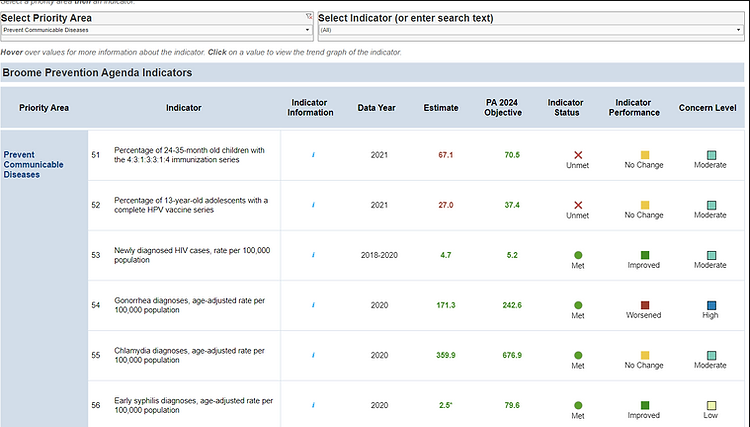
Click on the image below and navigate to the site. Select “Broome” from the “Select Counties” drop-down menu in the top left. In the “Select Priority Area” drop-down menu (pictured) you’ll find “Prevent Communicable Diseases.” If you click on an indicator you can compare counties.
Here’s a bit more information that shows why communicable disease is a priority issue for us in Broome County…
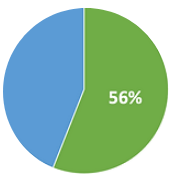
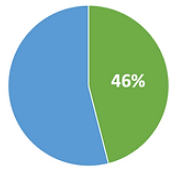
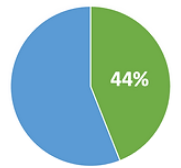
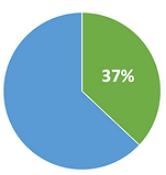
| 56% | 46% | 44% | 37% |
| of Community Health Survey respondents identified communicable diseases as a concern for themselves or someone they care about. | of Community Health Survey respondents expressed that the COVID-19 pandemic worsened their mental health. | of Community Health Survey respondents expressed that the COVID-19 pandemic increased feelings of isolation. | of Community Health Survey respondents expressed that the COVID-19 pandemic worsened their relationships with friends and family. |
 |
 |
 |
 |
Know your risk of contracting COVID-19 or Influenza by keeping track of county rates:
Weekly US Map: Influenza Summary Update
COVID Levels Tracker: County View
Want more data? Check out these data-focused dashboards:
Current:
New York State COVID-19 Testing Tracker
New York State Weekly Flu Tracker
Updated Annually:
New York State Prevention Agenda – Broome County
Community Health Indicator Reports (CHIRS)
Our Plan: Communicable Disease
To address this priority area, we are focusing on prevention. To prevent communicable diseases, we plan to:
1. Reduce COVID-19 cases
2. Increase active surveillance, early detection of COVID-19
3. Improve vaccination rates
Contributing Organizations
Each of these organizations is part of the plan outlined above.
Representatives report on how their organization is working towards achieving county goals.


Do you or does your organization want to help out? Take a look at these evidence based strategies for addressing COVID-19: Evidence Based Strategies to Address COVID-19
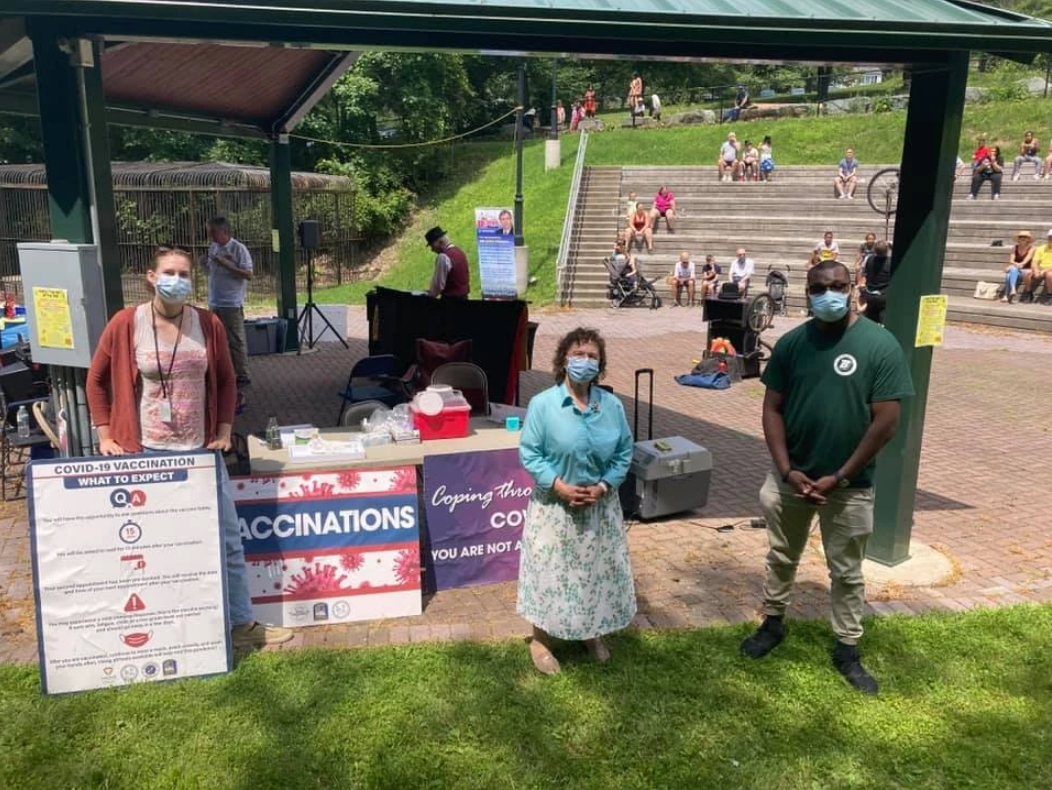
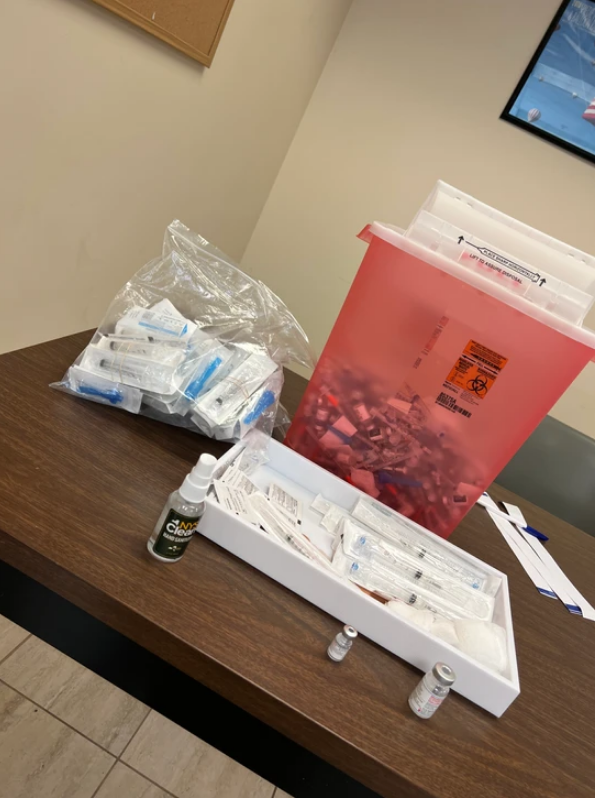
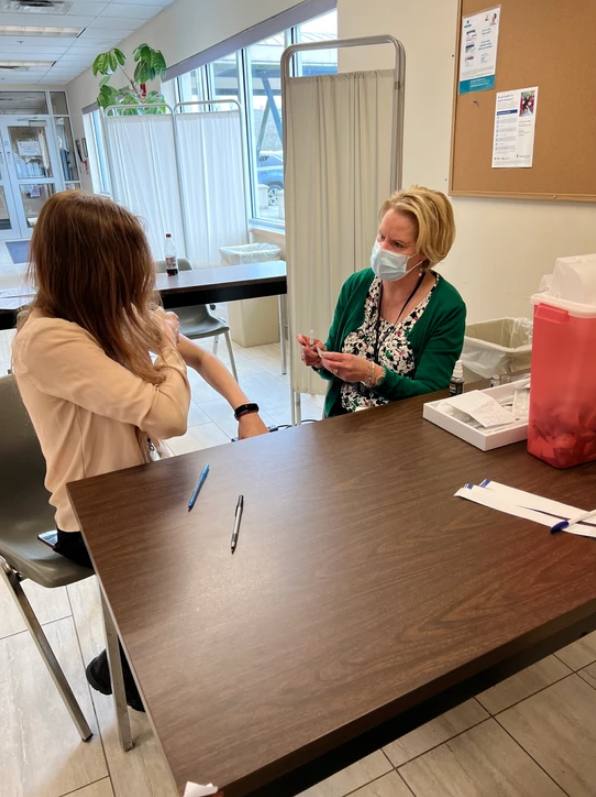
Some of the work being done in our communities to combat communicable diseases…
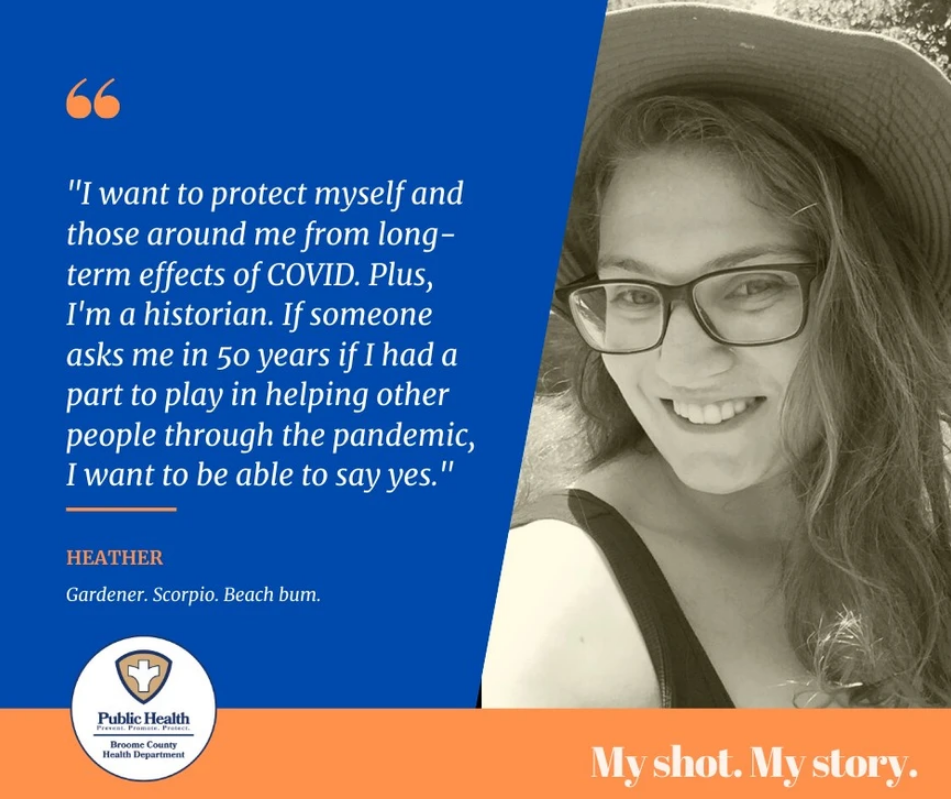
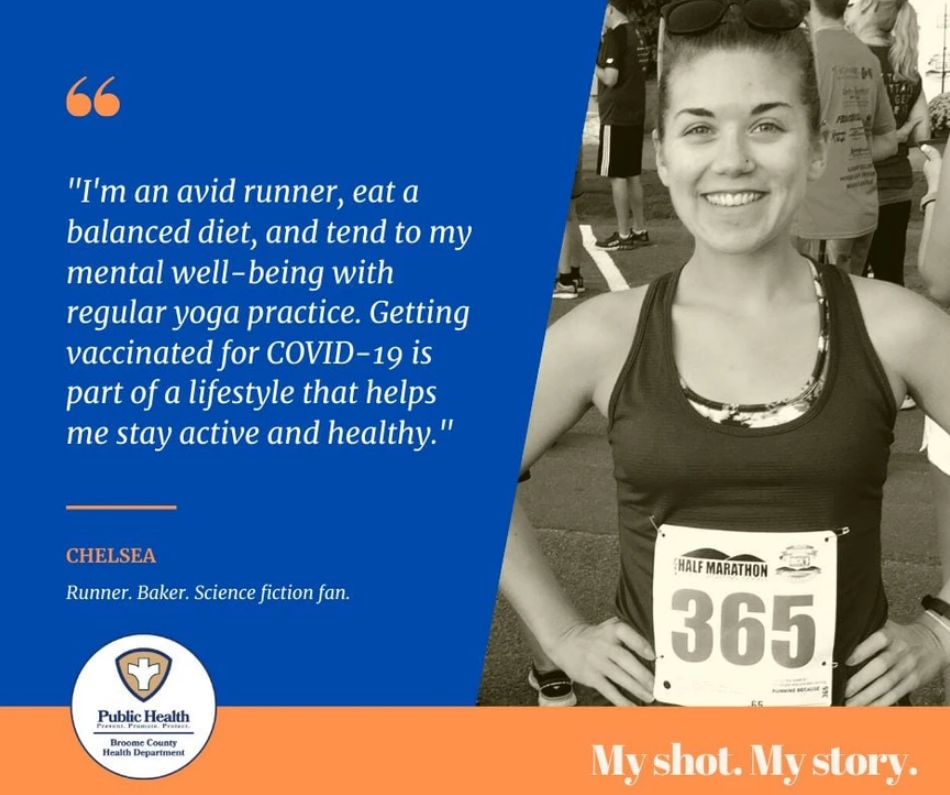
References not Linked
Epidemiology Of Prevention Of Communicable Diseases | NIH
Broome County Health Assessment (2019-2024) | Broome County Health Department
Broome County Health Assessment Update (2022-2024) | Broome County Health Department
People at Higher Risk for Communicable Disease | Wisconsin Department of Health Services
Aging Changes in Immunity | MedLine Plus (NIH)
Is Your Newborn’s Immune System Strong Enough? | healthessentials (Cleveland Clinic)
Maternal Immunological Adaptation During Normal Pregnancy | frontiers in Immunology (NIH)
COVID-19: Who’s at higher risk of serious symptoms? | Mayo Clinic
Microbial Infections, Immunomodulation, and Drugs of Abuse
Communicable diseases: Types, symptoms, prevention, and treatment (medicalnewstoday.com)


