Are you someone who…
1. Has a chronic condition or is concerned about developing one?
Looking for local resources to help with your chronic condition? See these local, printable resource guides:
Education, Advocacy, and Related Support
Older Adults
Primary and Preventative Care
Search 211
2. Wants to learn more about chronic diseases?
Are you hoping to learn more about chronic diseases? Visit these online resources:
CDC Chronic Disease Center
New York State Chronic Diseases and Conditions
NIH Use Your Words Carefully: What is a Chronic Disease?
What do we know about chronic disease?
The CDC defines chronic diseases as conditions that last 1 year or more and require ongoing medical attention or limit activities of daily living. In the United States chronic diseases such as heart disease, cancer, and diabetes are the leading causes of death and disability. In New York State heart disease, cancer, diabetes, stroke, and arthritis are the leading causes of disability and death. Over 40% of New York adults suffer from chronic diseases and chronic diseases cause 23% of hospitalizations. Chronic diseases and their prevention are closely linked to lifestyle choices such as eating nutritious foods, physical activity, and avoiding tobacco and alcohol.
Major Chronic Diseases in Broome County:
-
Cancer
-
Cardiovascular Disease
-
Stroke
-
Diabetes
-
Cirrhosis
-
Asthma
-
Chronic Obstructive Pulmonary Disease
Major Lifestyle Risk Factors:
-
Tobacco Use
-
Poor Nutrition
-
Physical Inactivity
-
Excessive Alcohol Use
Who is affected by chronic diseases?
Chronic diseases affect every group of people, however, some people are more at risk than others. For instance, in Broome County from 2017 to 2019, Black residents were twice as likely to be hospitalized for diabetes, 1.7 times as likely to be hospitalized for congestive heart failure, 2.2 times as likely to be hospitalized for asthma, 3.7 times as likely to be hospitalized for short term complications associated with diabetes than White residents.

Commercial tobacco use and excessive drinking are two of the leading risk factors for chronic disease. Learn more.

Racial and ethnic minority groups in the US are 1.5 to 2x as likely to have a chronic condition. Learn more.

Physical inactivity leads to the development of chronic diseases including Type 2 Diabetes, heart disease and cancer. Learn more.

Rural Americans are more likely to die prematurely from chronic conditions than urban Americans. Learn more.

In the United States, about 80% of adults over the age of 65 have one chronic condition, and about 50% have at least two. Learn more.
Chronic Disease in Broome County
The leading cause of death in Broome County is cardiovascular disease, responsible for an average of 654 deaths per year. Cancer, diabetes, obesity, stroke, cirrhosis, asthma, chronic obstructive pulmonary disease, and HIV are also important chronic diseases that are monitored in Broome. Chronic diseases can result from many factors. Some important ones in Broome include dental hygiene, tobacco use, nutrition, physical activity, and mental health.
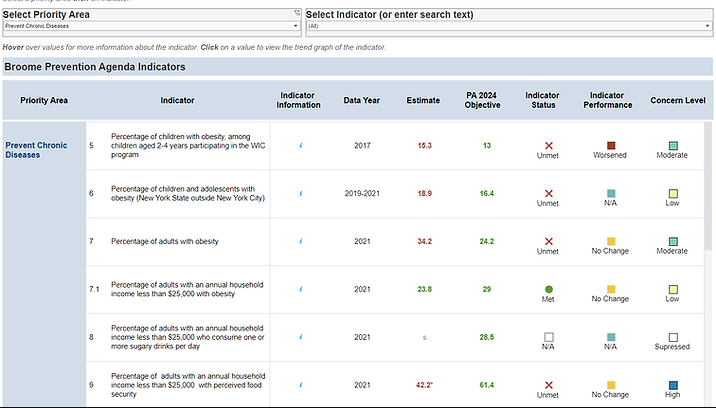
The New York State Prevention Agenda has information on this topic.
Click on the image below and navigate to the site. Select “Broome” from the “Select Counties” drop-down menu in the top left. In the “Select Priority Area” drop-down menu (pictured) you’ll find “Prevent Chronic Diseases.” Click on an indicator and you can compare data with other counties.
Here is a bit more data to help show why chronic diseases were chosen as a priority area for Broome County…
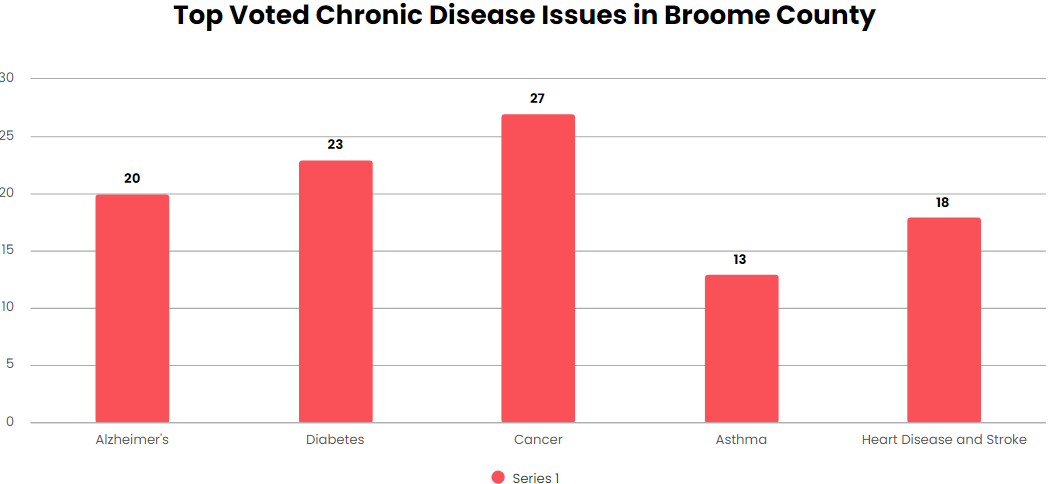
Top Voted Chronic Disease Issues in Broome County
When community members were asked to select 5 of the biggest health problems that they believed the community was facing, many pointed to chronic diseases. Cancer was the most common chronic disease to be selected, with 27% of respondents ranking it in their top 5.
The issues that the residents were concerned about show up as issues in the data. The leading causes of death in Broome County over the past several years are heart disease and cancer.
Cardiovascular Disease and Diseases of the Heart: Residents in Broome are more likely to die from cardiovascular diseases than NYS residents as a whole. Premature death, pretransport mortality, and hospitalization rates from cardiovascular disease are higher in Broome. Residents in Broome are more likely to have high blood pressure, to have and to die from a heart attack or stroke, or to die from congestive heart failure than NYS residents.
Cancer: Residents in Broome are more likely to have and die from cancer than NYS residents as a whole. Incidence and/ or mortality rates are elevated for oral cavity and pharynx cancer, colon and rectum cancer, lung and bronchus cancer, female breast cancer, cervix and uteri cancer, ovarian cancer, prostate cancer, and melanoma. Screening rates for cervical and breast cancer are higher in Broome than NYS.
Cirrhosis, Diabetes, Kidney: Broome residents are more likely to go to the emergency department for chronic kidney disease, and much more likely to die from cirrhosis than NYS residents as a whole. They are more likely to be hospitalized and die from diabetes.
What % of Broome residents have…
| Asthma | Diabetes | High blood pressure | Cardiovascular disease |
15.9% |
8.9% |
34% |
9.2% |
*Figures represent age-adjusted, adult rates
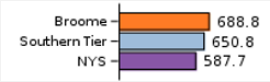
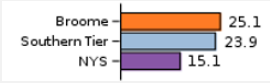
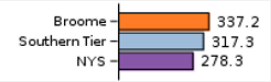
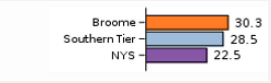
How does Broome measure up to the Southern Tier and New York State?
| 688.8/100,000 | 25.1/100,000 | 337.2/100,000 | 30.3/100,000 |
|---|---|---|---|
| New cases of cancer | Deaths from congestive heart failure | Deaths from cardiovascular disease | Deaths from Diabetes |
 |
 |
 |
 |
Want more data? Check out these data-focused dashboards:
Our Plan: Chronic Disease
To address this priority area, we are focusing on preventative care and management. To prevent chronic disease, we have four goals:
Increase cancer screening rates
Assessing systems
Local health care providers/clinics worked together to assess systems in place for patient and provider screening reminders and to remove barriers to accessing care. Outreach at UHS has focused on gaps in care and has happened during conversations in annual well visits for the target population.
Patient and provider reminders
UHS now uses mass messaging technology, in part to send patient reminders. Providers at UHS receive a Best Practice Advisory when they see a patient. Patient outreach during well visits to increase colorectal cancer screening rates. Lourdes and Endwell Family Physician also have a reminder system on their patient portal as well as EMR chart flags.
Translation services
UHS offers translation services at all locations
Transportation services
UHS has a Transportation Coordination service. Rural Health Network has a GetThere program. Cancer screenings are offered in non-clinical settings through mammography vans, flu clinics, etc.
Referrals
Local organizations make referrals to the Southern Tier Cancer Services Program, which helps people without insurance keep up to date on their cancer screenings.
Increase early detection of cardiovascular disease, diabetes, prediabetes, and obesity
Screenings
BMI screenings are performed at every UHS encounter.
Promote detection of undiagnosed hypertension
American Heart Association hopes to work with UHS and Lourdes to implement the “Lower the Pressure” initiative. Blood pressure is taken during all UHS patient encounters, education provided for patients who would benefit.
Promote evidence-based care to prevent and manage chronic diseases including asthma, arthritis, cardiovascular disease, diabetes, prediabetes, and obesity
Hospitals collaborating with diabetes centers
UHS and Lourdes work with diabetes centers to implement standards of medical care and to offer diabetes education.
Patient monitoring
Lourdes Prediabetes Project monitors patients through their primary care physician to prevent onset of diabetes. Lourdes Data and Endocrinology Departments currently working on a Risk Stratification Tool to identify prediabetics at highest risk for Diabetes.
Evidence based programming to combat arthritis
Rural Health Network and OFA are offering “Walk With Ease”
Physical Activity and Wellness Programs
FEN sponsors Child and Adult Care Food Program (CACFP) which includes technical assistance and classes throughout the year for daycare providers.
Case management programs for diabetes
Case management programs were created at Lourdes and UHS for DSRIP Medicaid members diagnosed with diabetes. HIT and telehealth systems used.
Complete streets policy updates
CHSC working with City of Binghamton representatives to provide safer pathways for active transportation
In the community setting, improve self-management skills for individuals with chronic diseases, including asthma, arthritis, cardiovascular disease, diabetes, prediabetes, and obesity
Promote testing for patients
Beginning at 45 years of age. Promote repeat testing at a minimum of 3-year intervals, with consideration of more frequent testing depending on initial results and risk status. Refer patients who are diagnosed with obesity, CVD, or diabetes to a community chronic disease self-management program.
Treating high- risk prediabetes
Lourdes identifies prediabetics and assesses their risk of becoming diabetic. They then plan care for high risk prediabetics.
Programs and classes for chronic disease prevention and management
RHN has re-implemented the CDSMP program using Standford Chronic Disease self-management model. RHN also offers a 7-8 week workshop focuses on healthy eating, medication compliance, a chronic disease management. For those who do not want to participate in the full 7-8 weeks, RHN offers “one topic” workshops.
Contributing Organizations

Do you or does your organization want to help out? Check out these evidence-based strategies to address chronic disease: Evidence-based strategies to address chronic disease
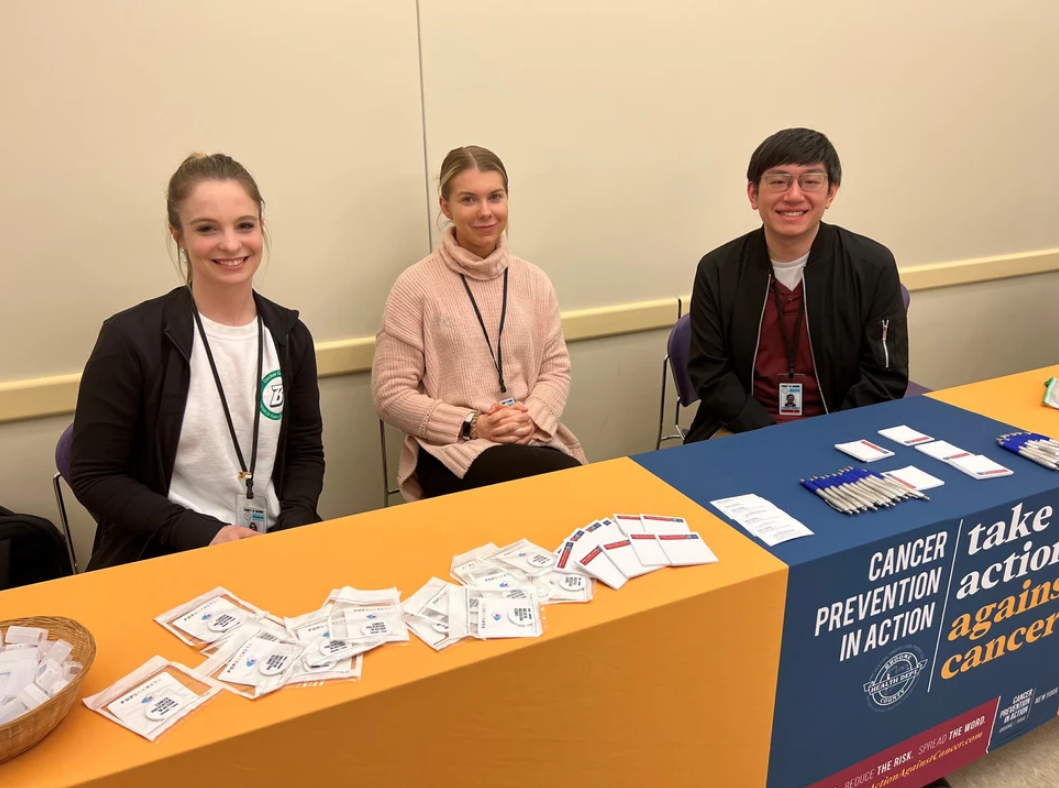
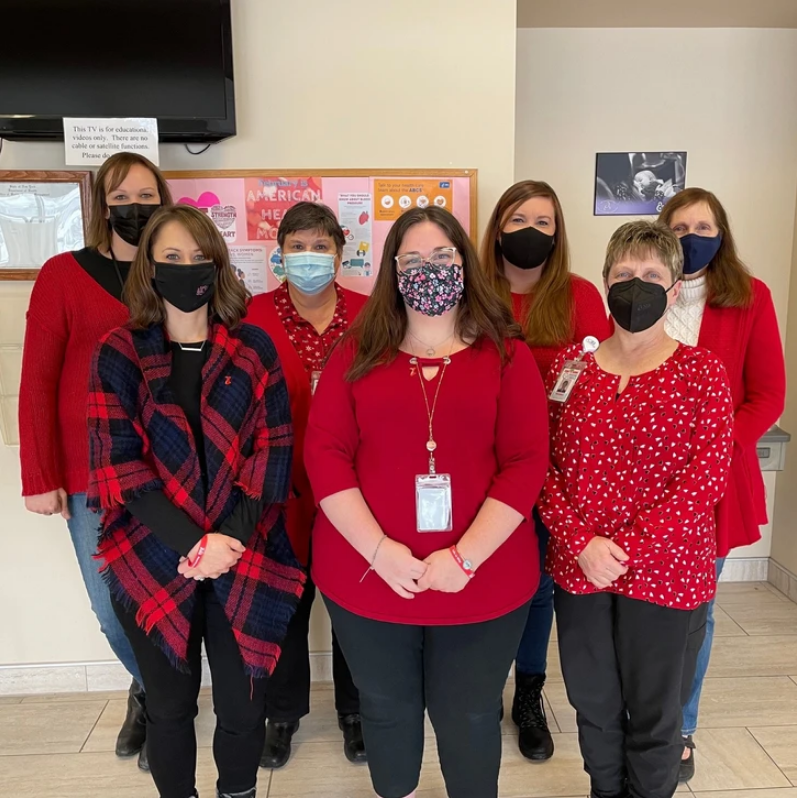
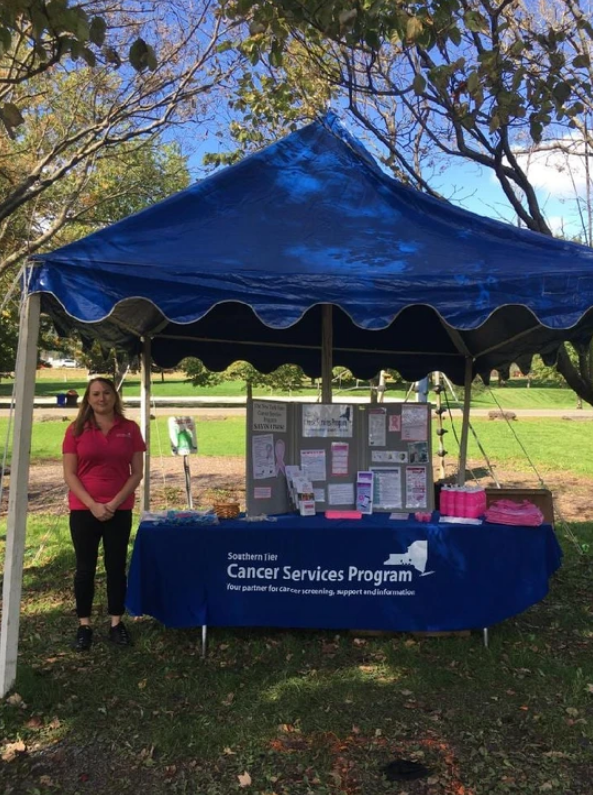
Some of the work being done in our communities to combat chronic diseases…