
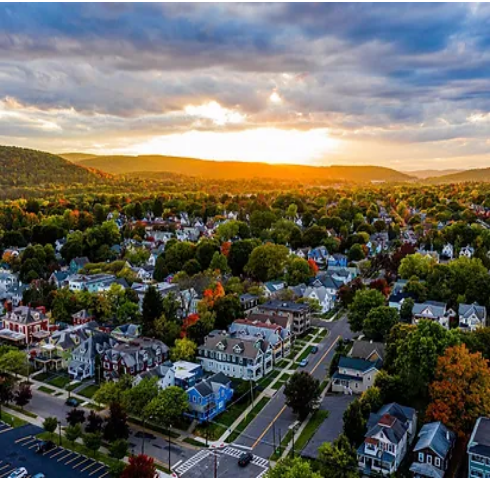
Without stable, safe, and appropriate housing, it is hard to be healthy. In Broome, housing costs are rising and people are having to move from areas they could once afford. Residents are worried about homelessness and worried about the safety of the old buildings that are available.
Resources
Broome County Housing Resources full page >
Are you someone who…
1. Doesn’t have a place to stay tonight
Enter where you are, and find shelters close to you
PDF with shelters in Broome County listed
Homelessness Housing Resources
City of Binghamton shelter and food resources
City of Binghamton Housing Division Resources
2. Rents or owns a home
Are you concerned about the safety of your home?
Having trouble keeping up with utilities and home repairs? Get assistance through:
Utilities Assistance, Weatherization, Home Improvement
NYSERDA Energy Efficiency Programs
First Ward Action Council – Seniors
First Ward Action Council – NYS programs for homeowners
The Impact Project – Low income families
Do you live in the City of Binghamton? Here is a one-stop shop to resources for existing and first-time homeowners:
Binghamton Home Ownership Academy
3. Is interested in housing policies
Know your rights as a tenant:
Tenants Rights Guide from NYS Attourney General Letitia James
Legal Services Central NY Helpline
Learn about housing movements underway:
Safe Housing Task Force Original Recommendations
Town of Union Guide to Fair Housing Legislation
Southern Door Community Land Trust
Southern Tier Homeless Coalition
Look through evidence-based strategies:
Strategies to Improve Acess to Quality, Affordable Housing
Here is a bit of data that may help show why Broome residents talked about housing in their survey responses…
On homelessness
| 67 | 345 | 483 | 49% |
|---|---|---|---|
| Unsheltered people in Broome County during the 2022 Point in Time Count. | People in Broome in emergency shelters during the 2022 Point in Time Count. This is 101 more people than the 2021 count. | People experiencing some form of homelessness counted around Broome County during the 2022 Point in Time Count. This is 165 more people than in 2021. | of 2022 Community Health Survey respondents said that homelessness is a concern for them of someone they care about |
On safe and affordable housing
| 2nd | 86% | 5th | 3rd |
|---|---|---|---|
| Housing-related requests are the second most common calls received by our local 211, with food-related requests in the lead. Compare housing-related requests by type and year. | Of homes in Broome County were built before lead paint was banned in 1978. Lead paint is detrimental to child development. | “Safe and sufficient housing” was the 5th most selected response to the question “Please select the five biggest health problems you believe our community is currently facing” on our Community Health Survey. 4 additional people wrote in the word “homelessness” and another 4 wrote in about housing insecurity, especially for seniors | “Affordable Housing Options” was ranked third out of 21 options for changes that residents would like to see to make Broome County a healthier place to live |
Want more data?
Changes that Community Health Survey respondents would like to see:
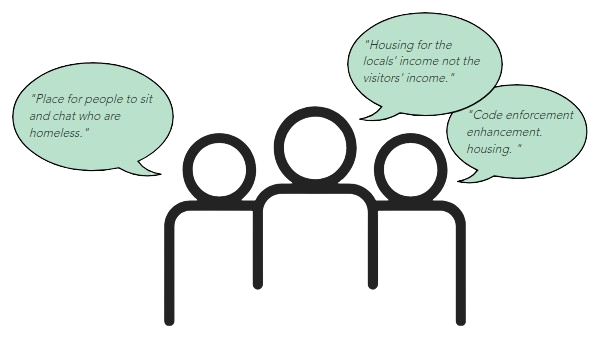
Most people can see or feel the effects of housing insecurity in our county. However, some people are more affected than others. National trends can help us understand risk who has the most risk of being unhoused. try to get Broome data
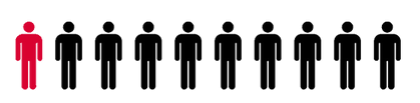
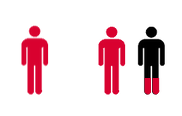
1 in ten young adults between the ages of 18-25 experience some form of homelessness for at least a 12-month period.
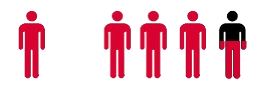
1 in 30 youth aged 13-17 experience some form of homelessness for over a 12-month period.

LGBTQ youth and young adults have a 120% increased risk of homelessness, especially an issue for LGBTQ Black or Native American/ Alaska Native youths.
Youth with less than a high school education or GED have almost a 350% increased chance of experiencing homelessness
Hispanic, non-white youth have a 33% increased chance of experiencing homelessness
Youth with household incomes of less than 24,000 have a 162% increased chance of experiencing homelessness
Black or African American youth have an 83% increased chance of experiencing homelessness
200% higher risk of reporting homelessness in unmarried parenting youth
References
LGBTQI | NAMI: National Alliance on Mental Illness
Visualizing Youth Experience of Homelessness – Chapin Hall
New York – National Alliance to End Homelessness
Housing Insecurity in Binghamton
STHC-2022-HIC-PIT-Memo.pdf (caresny.org)
Youth Homelessness Resources – Chapin Hall youth homelessness resources