Are you someone who…
1. Is struggling with their mental health, or knows someone who is?
If you are struggling with mental health, call 988, the Suicide and Crisis Hotline, for “a direct connection to compassionate, accessible care and support for anyone experiencing mental health-related distress.”
Call 988 for the Suicide & Crisis hotline
If you are looking for resources on counseling, case management, stress management, or other services, see the resource guides below and navigate to organization’s main pages.
211 Printable Resource Guide: Hotlines, Counseling, Stress Management
BCHD’s Community Resource Guide: Mental Health and Substance Use
2. Is interested in learning more about the topic of mental health
If you are here to learn more about the topic of mental health, consider taking a look at these online resources:
Infographics and statistics from NAMI
What do we know about mental health?
Mental health is an essential part of overall health. Our brains all work differently, so mental health looks different in different people. Generally, being mentally healthy means that we are in a state of emotional, psychological, and social well-being. Mental health affects how we think, feel, and act. It controls how we respond to life’s challenges, relate to others, and our ability to do things that are healthy for us. Mental health and physical health are closely related. When our minds are healthy, we can do the things we need to do to keep our bodies healthy. When our bodies aren’t healthy, it’s hard to keep our minds healthy.
Mental health disorders are conditions that affect our mood, thinking, or behavior. They may be caused by different things, including:
- Experiencing trauma or abuse as a child
- Chronic medical conditions
- Biological factors, like family history
- Substance use
- Isolation, feelings of loneliness, and having few friends
Even though it seems like people just started talking about mental health, mental health is something that humans have always dealt with. Challenges with mental health are also very common. According to the CDC, more than 50% of Americans will be diagnosed with a mental illness or disorder at some point in their lives, and one in five will experience a mental illness in any given year. One in 25 Americans are living with a serious mental illness, such as schizophrenia, bipolar disorder, or major depression.
Unfortunately, the stigma surrounding mental illness and treatment can be a barrier to diagnosing and receiving appropriate care.
Who is most affected by mental health challenges?
Mental health is relevant to every person at every stage of life. However certain people are more at risk for poor mental health because of their genetics, identities and social context, life experiences, and their stage of life. These factors can influence someone’s daily stress and ability to deal with it, the situations that they will run into, and their ability to seek help.
People with Disabilities
People with disabilities often face many barriers to finding appropriate care. Learn more.
Age
80% of all deaths by suicide in the US are in adults -especially men – aged 45-54. People aged 85 and up are more likely than any other age group to commit suicide. Learn more
Depressive disorders often go untreated or undertreated in older adults, though they are some of the community members most vulnerable to mental health challenges. Learn more
Young adults between the ages of 18-25 attempt suicide at a higher rate than other age groups, though they survive more often. Resources. Learn more.
Rurality
Though the prevalence of mental illness is similar in rural and metropolitan areas, people in rural areas commit suicide at nearly double the rate of people in urban areas. They also seek mental health care less often and often receive less specialized care. Learn more
Veteran Status
Veterans have unique mental health challenges, including higher rates of PTSD and suicide than the general population. Resources. Learn more.
Gender and Sexuality
LGB youths are 4x as likely to commit suicide as their heterosexual counterparts. Resources. Learn more
40% of transgender adults have attempted suicide (general US population=5%), and 39% have reported severe psychological stress (general US population=5%). Resources. Learn more
Men are less likely to receive treatment for mental health, while 80% of deaths by suicide are males. Learn more

Race and ethnicity
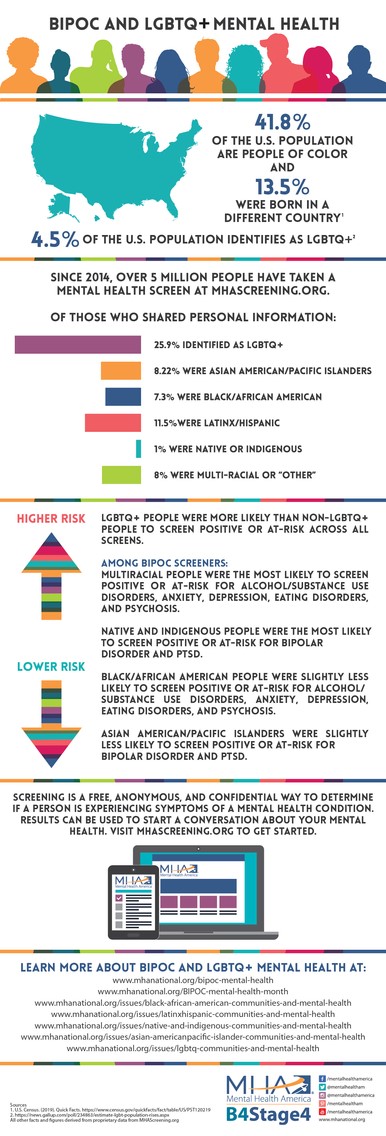
Individuals identifying as mixed or multiracial are more likely to report any mental illness than other US racial/ ethnic groups. Learn more
American Indians/Alaska Natives report higher PTSD and alcohol use than other US racial/ethnic groups. Learn more
White Americans are more likely to have depression than any other racial/ ethnic group. Learn more.
Asian Americans are less likely to receive care for their mental illnesses than other US racial/ ethnic groups, but are more likely to complete suicide. Learn more
COVID-19: Asian Americans experienced heightened discrimination and Black and Hispanic Americans were more likely to experience grief from loss of a loved one. Learn more
Mental health in Broome County
Many residents in Broome County struggle with short-term and long-term mental health challenges. The challenges are seen in the data and in the feedback received through the Community Health Survey. Residents want more access to appropriate mental health services.
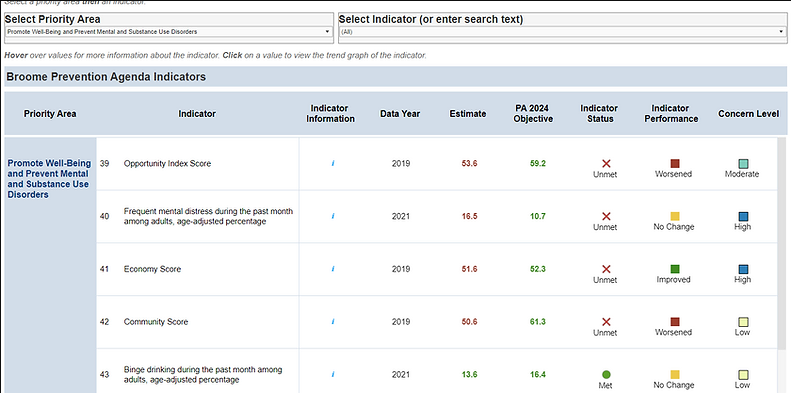
The New York State Prevention Agenda has information on this topic.
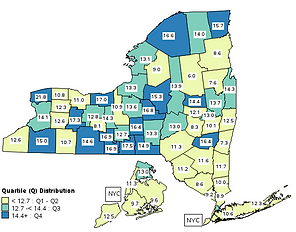
Click on the image and navigate to the page. Select “Broome” from the “Select Counties” drop-down menu in the top left. In the “Select Priority Area” drop-down menu (pictured), you’ll find “Promote Well-being and Prevent Mental and Substance Use Disorders.”
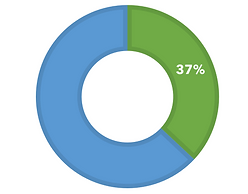
| 1st | 2nd | 4th | 37% |
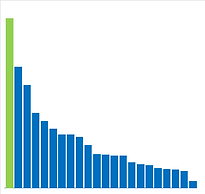
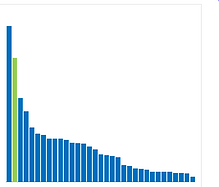
| “Increased access to mental health services” was the most commonly voted response to the question “which changes would you like to see in Broome County to make it a healthier place to live?” with 52.41% of Community Health Survey respondents ranking it in their top 3 | “Mental health issues” was the second most common response to the prompt “select the 5 biggest health problems you believe our community is currently facing” with 51.38% of Community Health Survey respondents ranking it in their top 5 | When compared to other counties in New York State, Broome County is in the 4th quartile (most concerning) for suicide mortality (Ages 15-19), self-inflicted injury mortality, and frequent mental distress within the past month (pictured) | 37% of adolescents (7th-12th grade) in Broome reported depressive symptoms in 2018 on the Prevention Needs Assessment |
 |
 |
 |
 |
Want more data? Explore data-focused dashboards:
New York State Prevention Agenda
County Health Indicator Reports
- Prevent and address adverse childhood experiences
- Reduce the prevalence of depression
- Prevent suicides


Other strategies/ interventions for mental health
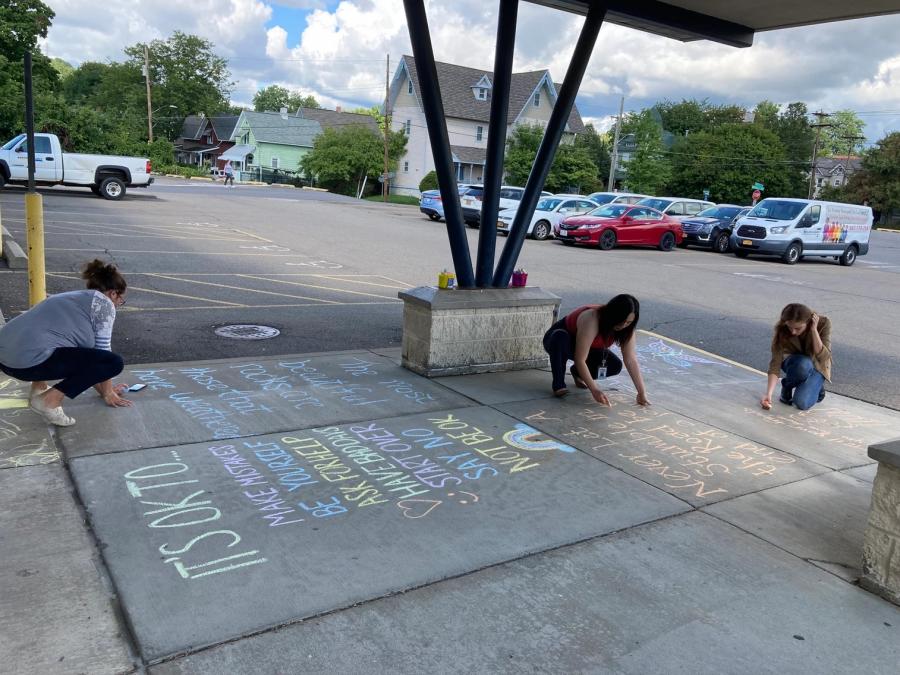
Some of the mental health work being done in our communities…

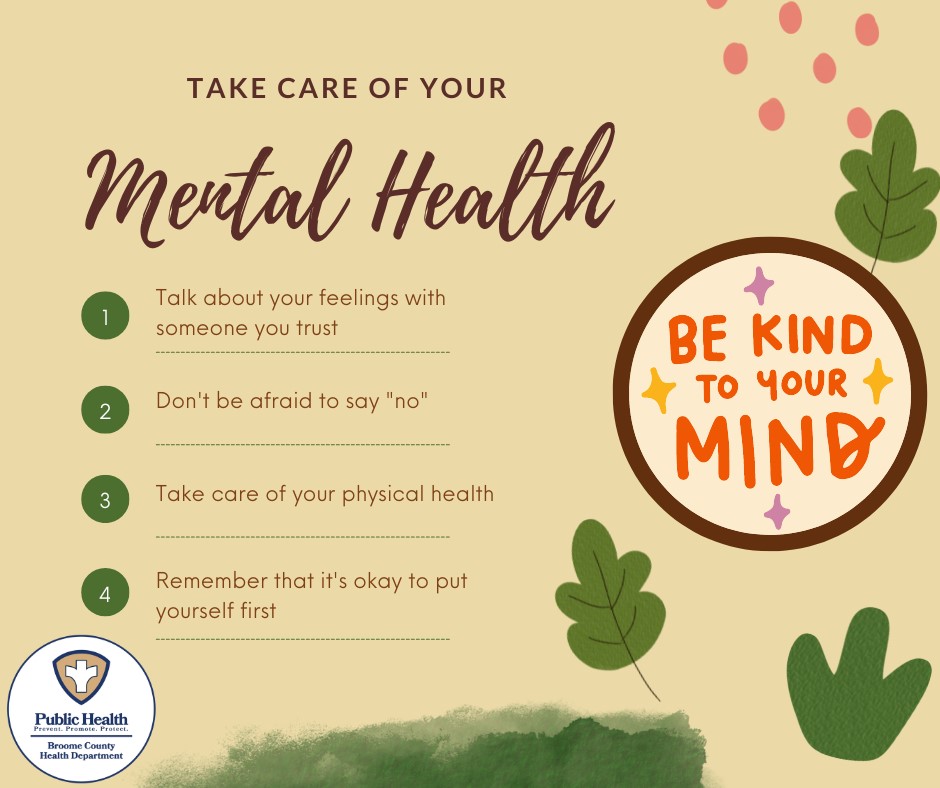
1. About Mental Health (cdc.gov)
2. Infographic: BIPOC and LGBTQ+ Mental Health | Mental Health America (mhanational.org)
3. Broome County Suicide Awareness For Everyone (BCSAFE) | Broome County (gobroomecounty.com)